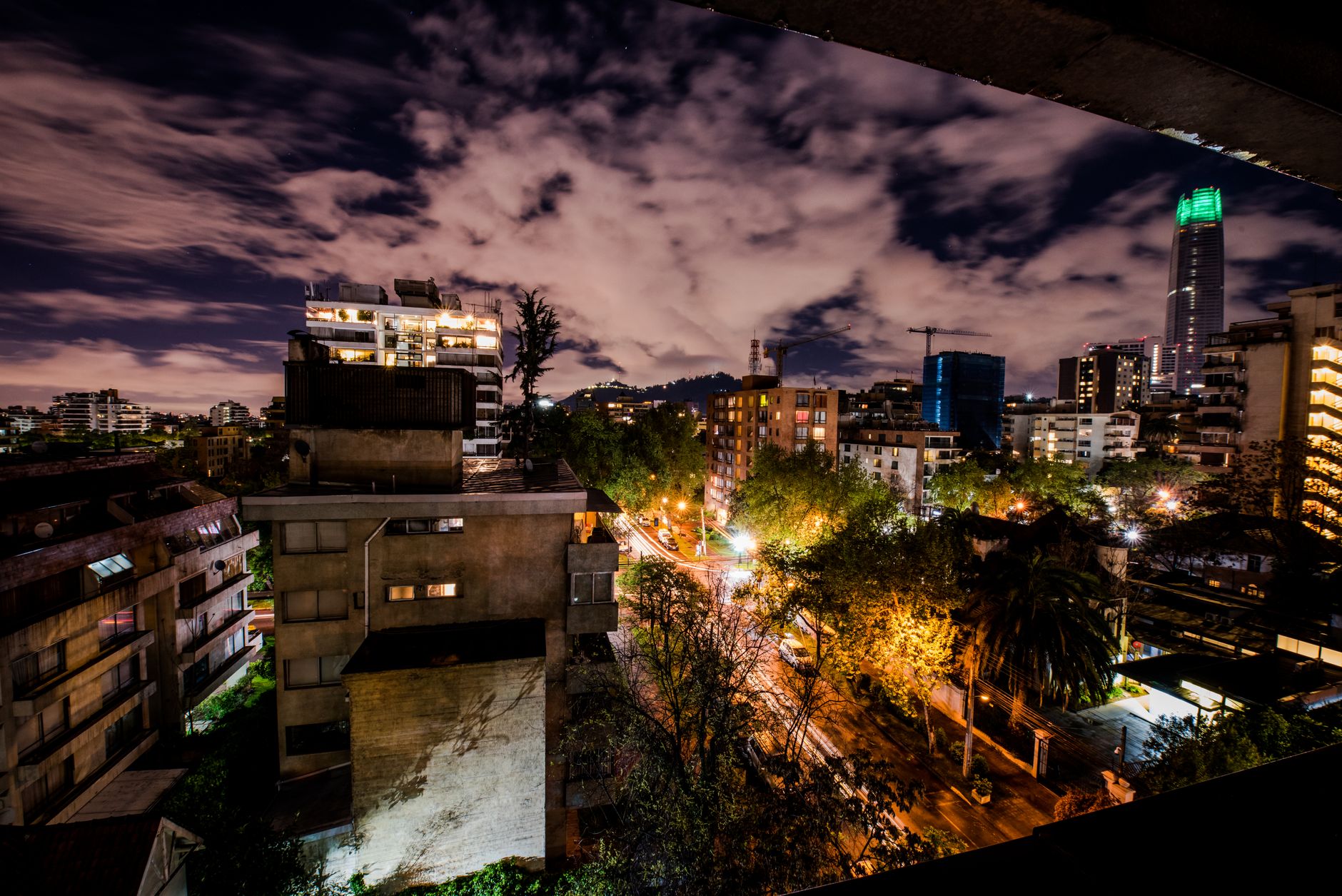
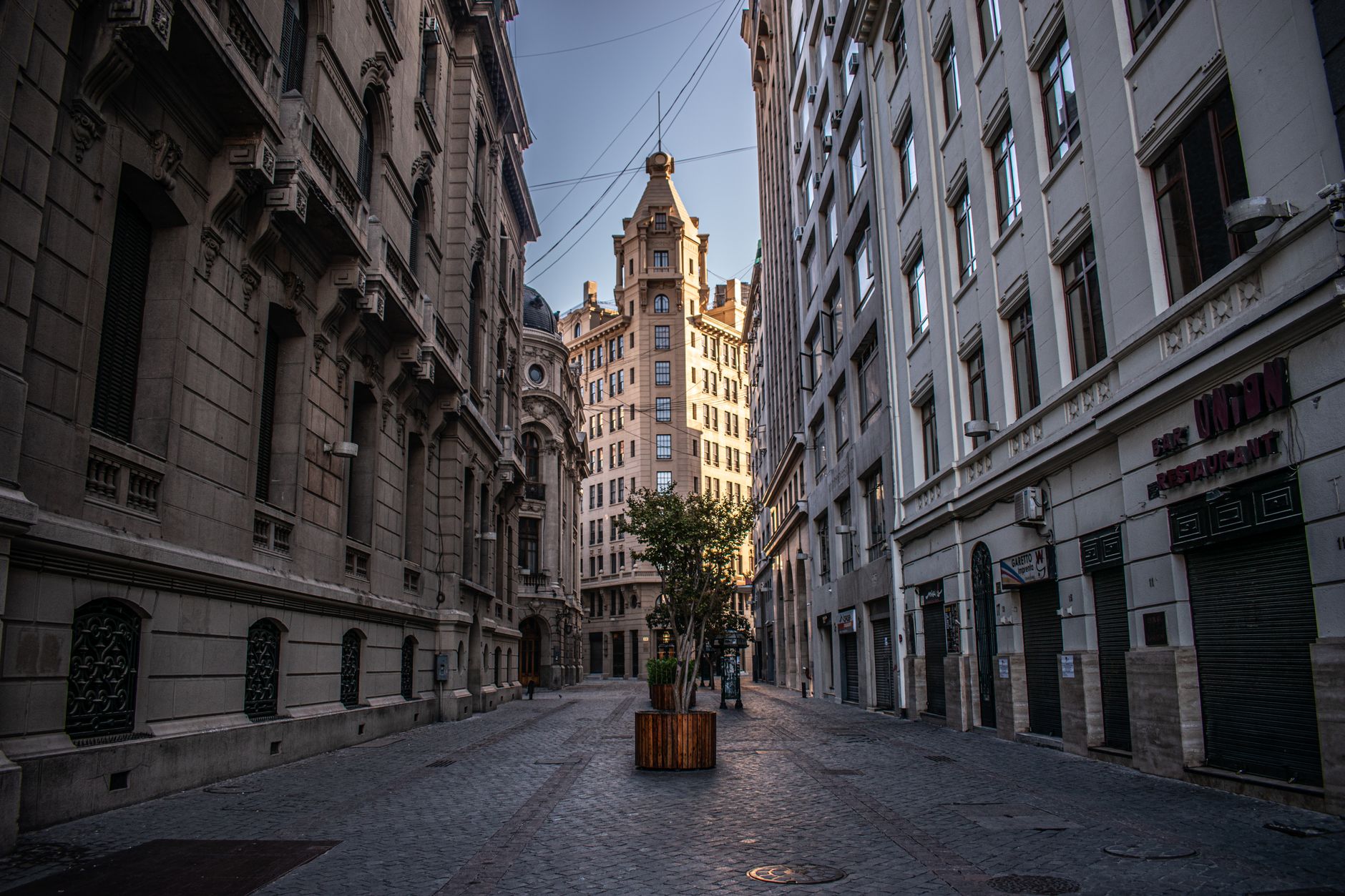
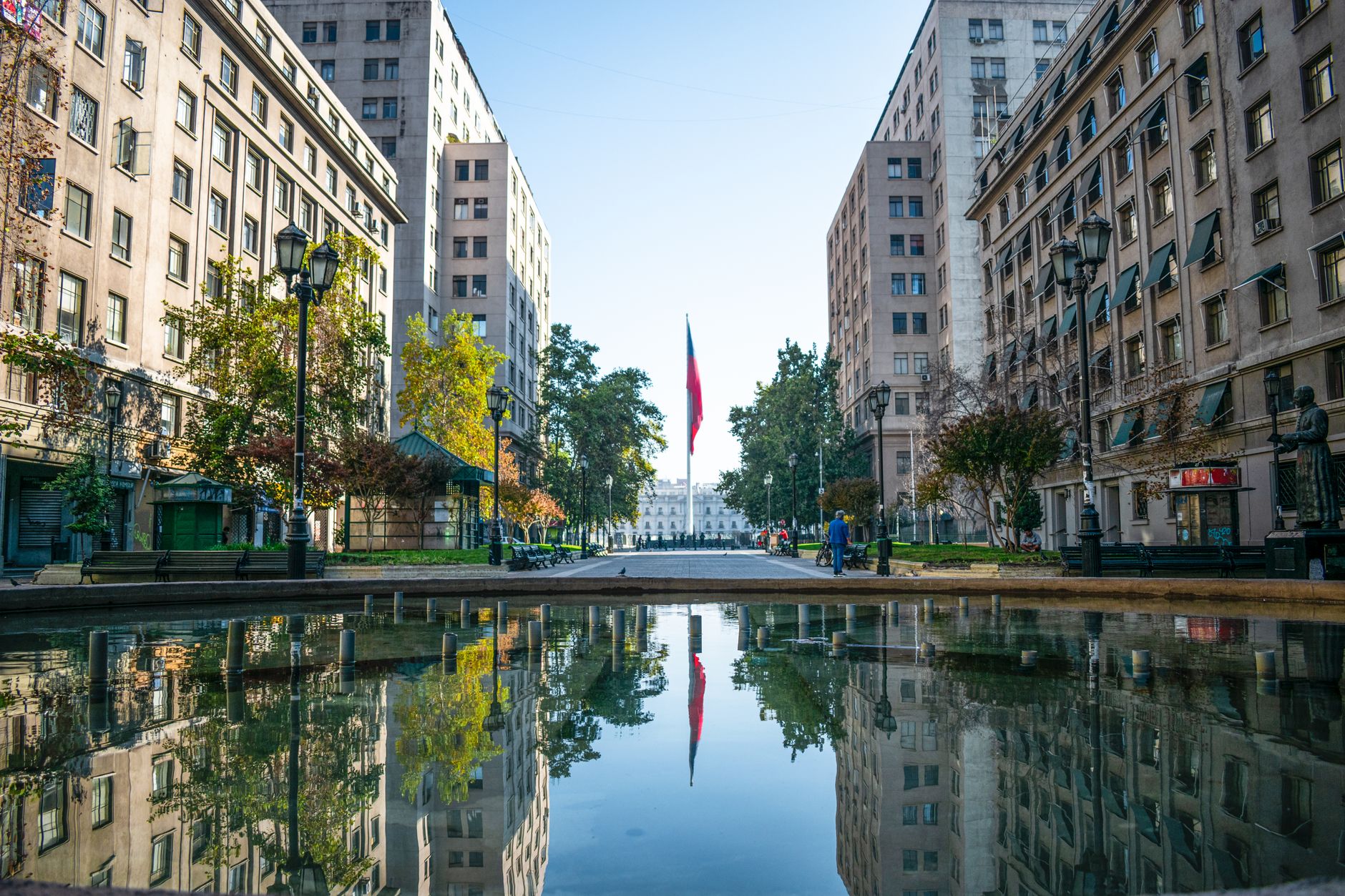
Providencia sits just east of downtown Santiago, wedged between Las Condes, Ñuñoa and the Mapocho River, and it is consistently the first comuna (Chile's word for a municipal district — there are 346 of them nationwide, and every address belongs to exactly one) that foreign residents and digital nomads ask about. It earns that reputation honestly: wide, tree-shaded sidewalks, one of the best metro links in the city, a dense mix of apartment towers and 1950s houses, and almost every daily errand within a ten-minute walk. This guide walks through what it actually takes to live here day to day — transport, health care, groceries, fitness, pets, repairs, and the small bureaucratic details that catch newcomers off guard — with real local businesses linked throughout so you have somewhere to start.
Why people choose Providencia
Providencia is not the cheapest comuna in Santiago, but it offers a rare combination: it is walkable at a scale most of the city isn't, it is served by two Metro lines (1 and 6, with Line 5 brushing its western edge), and it has a daytime population of office workers that keeps restaurants, farmacias and cafés open long hours. Avenida Providencia and Avenida Pedro de Valdivia work as the comuna's spine, with quieter residential streets — many closed to through traffic — running north toward Av. Bilbao and Parque Bustamante, and south toward Nueva Providencia. Housing is overwhelmingly apartments, which means almost everyone who rents here deals with gastos comunes (the monthly common-area fee covering the conserje, elevators, common cleaning and sometimes heating), on top of rent itself — worth asking about explicitly before signing, since it is rarely included in the advertised price.
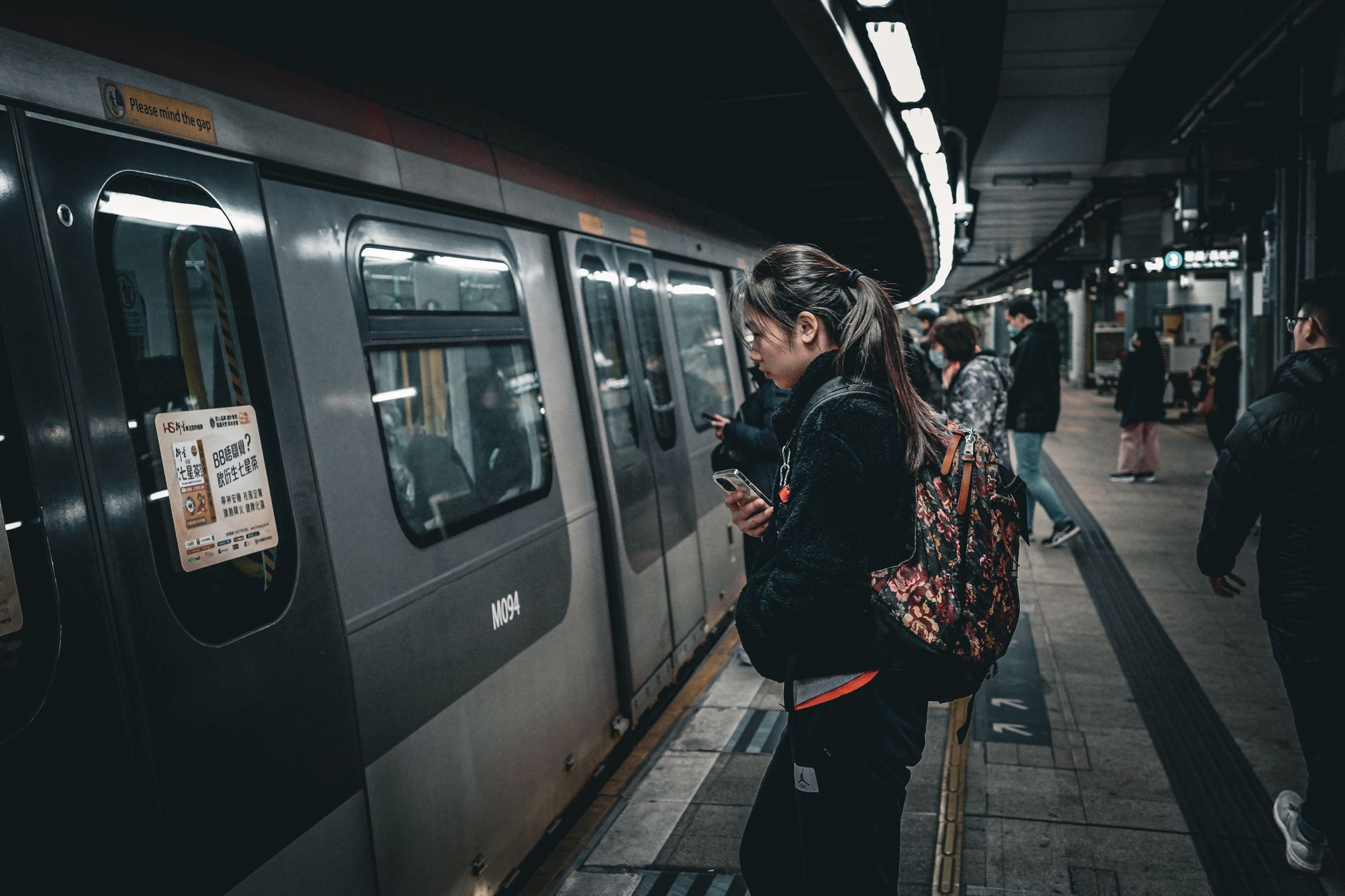
Most day-to-day movement in Providencia runs through the Metro. You'll need a bip! card (the reloadable transit card that also works on the city's bus network, Red Metropolitana de Movilidad) — buy and top it up at any station or at affiliated kiosks and almacenes (small corner stores; see below). A single ride currently covers both a metro trip and a connecting bus within a two-hour window, which matters if your daily commute involves both. Taxis and ride-hailing apps are common and generally safe in this comuna; for longer or cross-city trips, shared colectivos (fixed-route shared taxis that run set lines for a flat fare) are a cheaper option used mostly by locals rather than tourists, though they're less common inside Providencia itself than in outer comunas.
If you drive, note that Chile uses TAG, an electronic toll transponder required on the Costanera Norte and other urban concession highways that cut through or near Providencia — a rental car should already have one, but if you buy or import a vehicle you'll need to register for one, along with the annual permiso de circulación (municipal vehicle registration, paid at the comuna where the car is registered) and a periodic revisión técnica (mandatory roadworthiness inspection).
Chile's pharmacy chains are everywhere, and Providencia has a dense cluster of them, including independent neighborhood options like {{biz:farmacias-zamarin-providencia}}. Beyond the regular hours, every comuna maintains a rotating farmacia de turno — a pharmacy required to stay open through the night and on holidays, rotating among different locations so there's always at least one reachable at 3 a.m. The rotation is published by the Ministry of Health and by each pharmacy chain's own site; it's worth bookmarking before you need it rather than searching for it while unwell. For anything beyond over-the-counter medication, a receta médica (prescription) is required, and many common medications that are over-the-counter elsewhere require one here.
Health care: clinics, CESFAM and the public/private split
Chile runs a dual health system. If you're covered by FONASA (the public insurer, funded through a payroll contribution) your first stop for non-emergency care is usually a CESFAM (Centro de Salud Familiar, the public neighborhood primary-care clinic) or a SAPU (Servicio de Atención Primaria de Urgencia, the public urgent-care annex that extends CESFAM hours into the evening and weekend). If you're on an Isapre (a private health insurer) or paying out of pocket, private clinics and centros médicos are the norm, and Providencia has plenty, including {{biz:centro-medico-formed-providencia}}, which — like most private centers here — handles general consultations, basic diagnostics and specialist referrals under one roof. Expats on a visa typically start with an Isapre or private insurance before qualifying for FONASA, so it's worth clarifying your status with your employer or immigration advisor early rather than assuming public coverage applies from day one.
Groceries, almacenes and the daily shop
Supermarket chains anchor most blocks — Providencia has several full-size locations such as {{biz:supermercado-diez-providencia}}, useful for a proper weekly shop. For the small, daily top-ups — bread, milk, a missing ingredient — most Chileans rely on the almacén, the small neighborhood corner store that's open long hours and often run out of someone's front room. Botillerías (liquor stores) and ferias libres (open-air produce markets, usually on fixed weekday mornings per neighborhood) round out the shopping options; Providencia's ferias rotate by sector, so ask neighbors or your building's conserje which day and street corner is yours.
Staying active
Gyms are plentiful and generally month-to-month or annual-contract based, with options from budget chains to boutique studios. {{biz:megafitness-providencia}} is a straightforward example of the kind of full-equipment gym you'll find within a few blocks almost anywhere in the comuna. Parque Bustamante and the riverside Parque de las Esculturas along the Mapocho give Providencia more usable green space than most central comunas, and both see heavy use for running and cycling in the early morning and evening, when the worst of Santiago's daytime heat (in summer) or smog (common in winter inversion layers) has eased.
Pets
Vet clinics are easy to find, and most also sell food and basic supplies. {{biz:vidavet-providencia}} is a typical neighborhood option for check-ups, vaccinations and minor treatment without crossing into another comuna. If you're bringing a pet into Chile or need travel documentation, ask specifically — requirements and the paperwork timeline vary and are worth confirming well before a flight.
Repairs and home maintenance
For hardware, light electrical parts and the odds and ends that come up constantly in rented apartments, a ferretería (hardware store) like {{biz:ferrelectrica-spa-providencia}} will usually have what you need or point you to someone who does. For anything involving pipes, water heaters (calefones) or gas lines, you'll want a gasfíter — Chile's term for a licensed plumber/gas technician, a trade that's licensed separately from general handywork because it covers gas-line work as well as water. It's standard to get a phone quote before a technician comes out, and reputable ones will.
Coffee, bakeries and the slower pace
Providencia's café culture is genuinely strong, closer to a specialty-coffee scene than the instant-coffee default still common elsewhere in the country; {{biz:yeongi-coffee-providencia}} is one of several spots where a sit-down coffee culture has taken hold. For bread, a panadería such as {{biz:la-panadera-providencia}} is the place for a marraqueta or hallulla (the two everyday Chilean bread rolls) each morning, and most will also carry empanadas and the odd pastry. Once, the mid-afternoon light meal that replaces dinner in many Chilean households on weekends, usually tea or coffee with bread, cheese, avocado and cold cuts, is worth experiencing if a Chilean neighbor invites you — it's a genuine social institution, not just a smaller dinner.
Renting and paperwork in brief
If you're arriving fresh, expect a landlord or agency to ask for a mes de garantía (a deposit, typically one month's rent, refunded — minus deductions — at the end of the lease) and sometimes an aval (a guarantor, usually someone with formal income in Chile, which can be a real obstacle for new arrivals without local contacts; some agencies now accept a paid guarantee service instead). Rent is sometimes quoted in UF (Unidad de Fomento, an inflation-indexed accounting unit that moves daily, used for rents, mortgages and larger contracts to protect value against inflation) rather than pesos directly — our guide on renting in Chile walks through the UF, the deposit and the contract details in more depth. You'll also want a RUT (Rol Único Tributario, Chile's national tax/ID number) fairly early, since it's required for everything from a lease to a phone plan to a gym membership, and a boleta or factura (the two types of receipt, the second usable for business tax purposes) for anything you might need to expense.
Practical notes before you move
A few small things make the first month smoother: CajaVecina and Servipag points (ubiquitous bill-payment counters, often inside almacenes or standalone, for paying utility bills, fines and some government fees without a bank account) are useful before you have Chilean banking sorted out; most building conserjes receive packages on residents' behalf, which is worth confirming with your building's administration; and because Providencia is popular, apartment turnover is fast — good units listed through an agency can go within days, so have your RUT, proof of income and references ready before you start seriously looking.
Providencia rewards people who want to walk rather than drive everywhere, and its density of pharmacies, clinics, gyms, cafés and repair shops means most problems have a solution within a few blocks. It's not the only comuna worth considering in Santiago, but it remains the easiest one to recommend to someone arriving without a car and without yet knowing the city.
A practical, step-by-step guide to getting a Chilean RUT (tax ID) as a foreigner: through immigration if you have a visa, or through a notaría if you don't, plus the documents, common delays, and what changes once you have the number.
A practical breakdown of Chile's dual public-private health system: how FONASA and Isapre differ, what CESFAM, SAPU and farmacia de turno actually mean, and how to pick the right coverage as a resident, worker or expat.
fonasaisaprehealth-chile
Welcome to Local ChileLet me help you find a great place today!